

VR Education is hard. Kognita makes it easier with Thinglink.
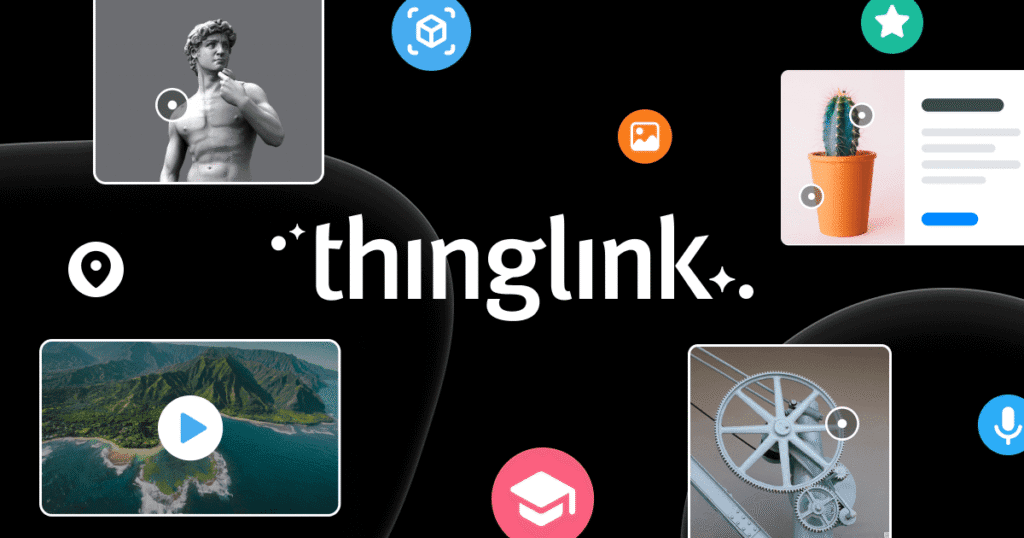
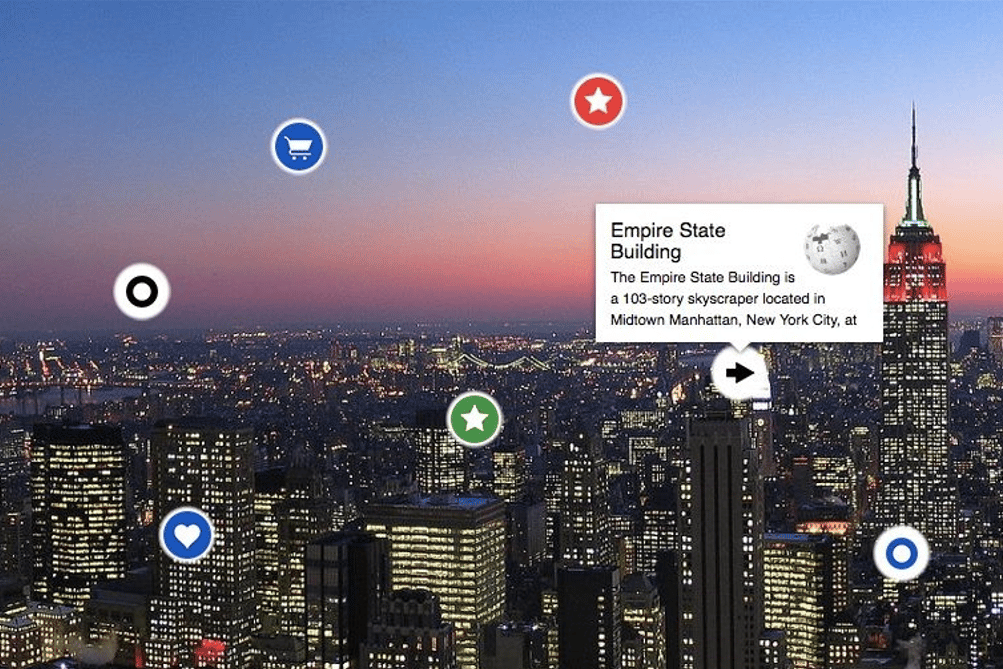
One of the biggest hurdles in bringing VR to education is usability – many existing applications for schools are simply too difficult for teachers, and sometimes even for students. With Thinglink, however, creating engaging lessons becomes simple. Educators can design interactive scenarios using 360° images, videos, 3D models, and points of interest.
Using ThingLink tools, teachers can create scenarios with the AI Scenario Builder. By simply providing a description of an image and scenario, the AI generates a 360° image with points of interest that can be edited later in the process. It’s an easy process to create VR lessons and takes just minutes.

What problems does ThingLink solve?
ThingLink solves several crucial challenges. One of the biggest is low student engagement in traditional lessons – but only if it’s used effectively. The platform makes creating engaging scenarios simple, with AI speeding up the entire process.
Cost savings are another major benefit. For schools and universities, traditional labs, specialized equipment, and field trips can be extremely costly. The app provides virtual alternatives that deliver nearly the same educational value at a fraction of the price. It also helps cut logistical expenses, such as staff travel or renting external venues.

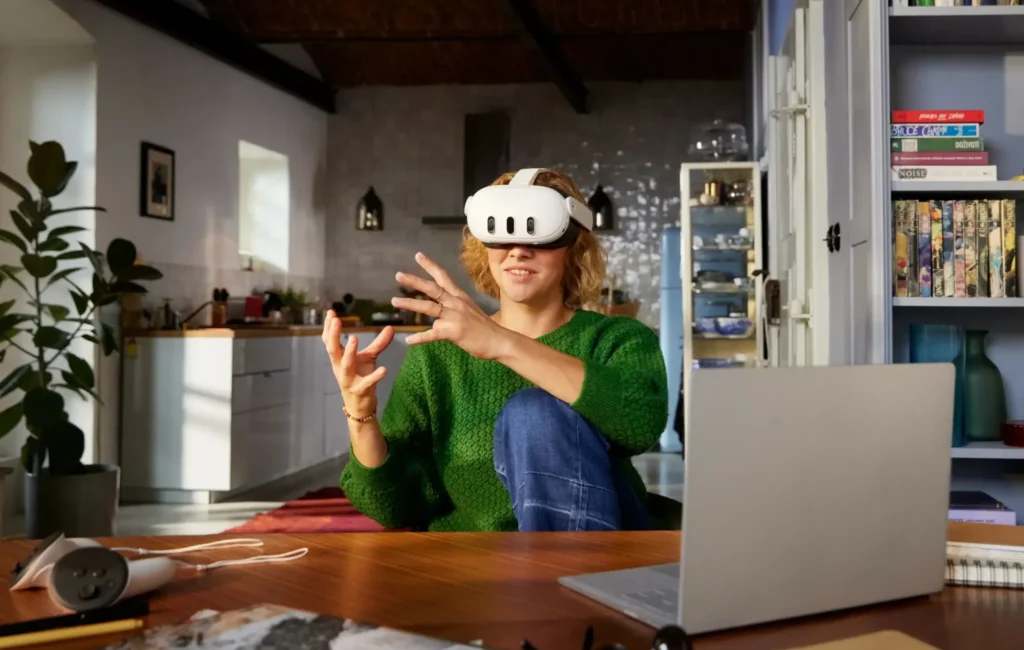
ThingLink is also about making lessons more inclusive. With multilingual support, voice guidance, and cross-device compatibility, it ensures that students with different learning needs or language backgrounds are not left behind. Whether they’re using a laptop, an iPad, or XR headsets like Meta Quest 3 or Pico, all learners get the same immersive experience.
Administrators often worry about how new platforms will fit into existing systems. The app addresses this concern by integrating seamlessly with LMS platforms, Apple Classroom, and MDMs like Jamf. Whether it’s deployed in a single class or across an entire district, its simplicity and scalability make adoption smooth and efficient.
Students are not just listeners – they are creators
One of the most powerful aspects of ThingLink is how it shifts students from passive consumers to active creators. Instead of merely watching, they can build their own interactive projects – from virtual museums and escape rooms to simulations of real-world scenarios. This project-based approach strengthens critical thinking, creativity, and digital literacy.
Abstract concepts often remain difficult for students to grasp. Now, teachers and students can design immersive simulations and virtual field trips that connect classroom knowledge to real-world contexts. Imagine a biology class where students “walk” inside a 3D cell or a history lesson where they explore ancient ruins without leaving the classroom.
ThingLink isn’t limited to science or history though. It’s a tool that supports virtually any subject — from vocational education and safety training to foreign language learning and soft skills development. This cross-curricular flexibility allows institutions to modernize entire curricula without juggling multiple platforms.
Proven Engagement and Effectiveness
Studies confirm what teachers already see: students are more engaged when using ThingLink. Research at Keele University showed that 96% of students reported a positive impact when it was used in virtual lab learning environments. Engagement translates directly into better knowledge retention and higher student satisfaction
Beyond the classroom, ThingLink is being used by universities for student recruitment. Virtual campus tours, interactive orientation experiences, and day-in-the-life simulations allow prospective students to explore institutions from anywhere in the world, using just a phone or a headset.
Do you want to see ThingLink XR in action or start a pilot? Write to us at office@kognita.pl or call +48 797 317 158 – We’ll show you how to get started.