


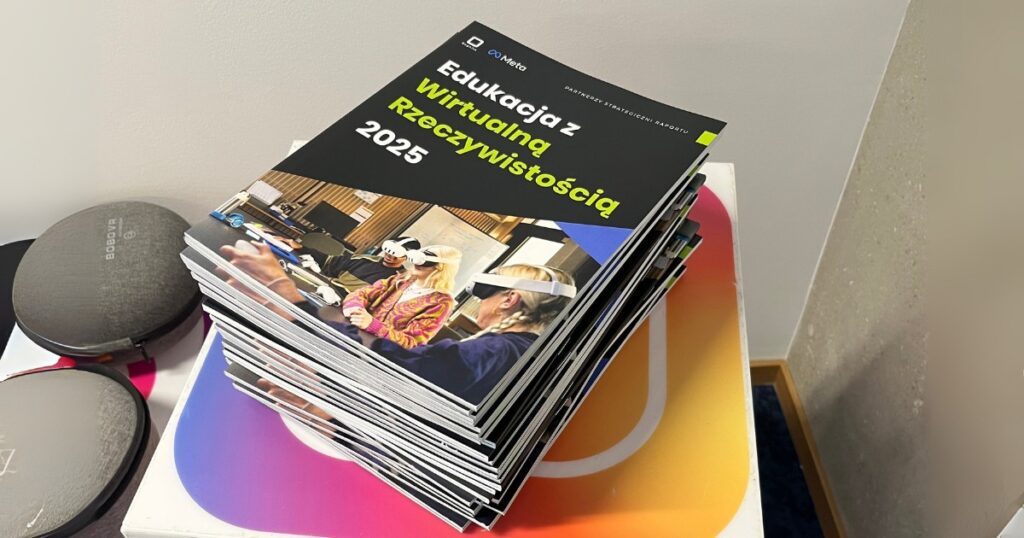
Kognita partnered with Meta to produce a whitepaper on integrating Virtual Reality in education in 2025
Bringing VR into schools isn’t easy. You can’t deny it. The wide range of hardware and software options that are far from being unified in one ecosystem creates a significant hurdle, often leaving schools frustrated and challenged when adopting VR for classrooms.
The list of problems schools face in effectively using Virtual Reality in education – not just buying it – is staggering. While I believe the hardware is largely ready for schools, with minor adjustments like swapping headstraps for comfort and hygiene, the software has consistently lagged behind in meeting classroom needs.

Schools face several hurdles when adopting VR or MR, including pricey subscriptions, limited tools for teachers to manage lessons, and a lack of multiplayer or co-location features.
While hardware costs are generally reasonable for what’s offered, software prices are often a stretch for schools. Most educational VR/MR software comes with a subscription model, requiring schools to renew payments every one, two, or three years. The reality? Schools typically rely on one-time government or EU funding for both hardware and software, which rarely covers recurring subscription fees.
These issues are just the tip of the iceberg. One of the biggest barriers to adopting VR in schools is the lack of clear guidance – a unified resource with tutorials, tips, and practical steps. Schools are often left to figure this out on their own, and we aim to change that, along with addressing other challenges.
Kognita, together with Meta and external educators from schools and universities, has developed a whitepaper offering detailed guidance on integrating VR in education. It includes the first nationwide Polish study on how schools use VR in education and the specific obstacles teachers face during implementation.
Here are key findings from the whitepaper’s study:
What VR software is used for teaching or research?
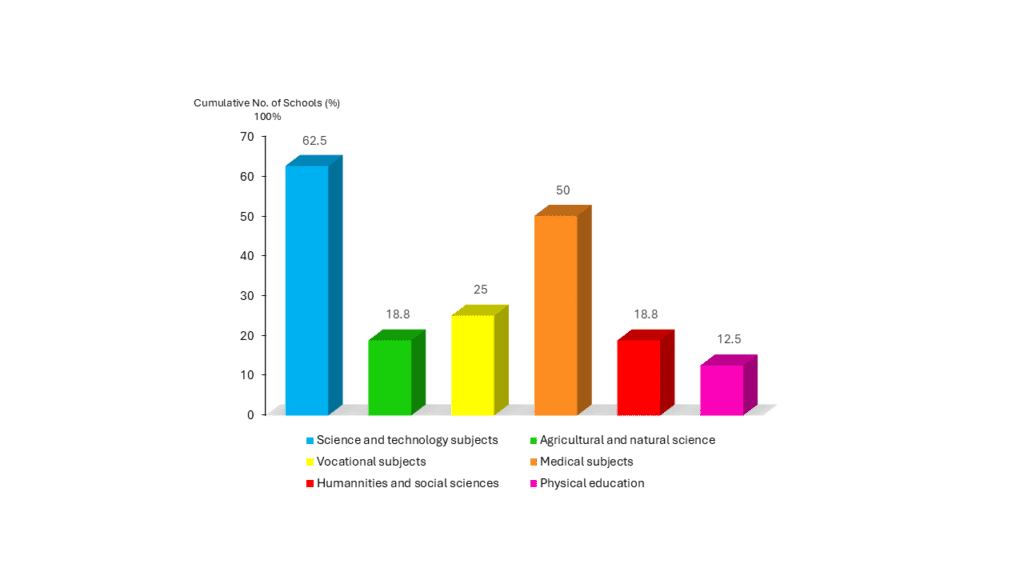
The data shows that 62.5% of schools primarily use VR for STEM (Science, Technology, Engineering, Mathematics) Subjects. This category is wide-ranging, with primary schools likely focusing on Physics, Math, or Computer Science, while universities extend VR to more specialized areas. In the Humanities and Social Sciences, which are used by 50% of schools, VR often powers immersive experiences like virtual historical reenactments or tours through places like museums.
Which of the following benefits do you consider the most noticeable?
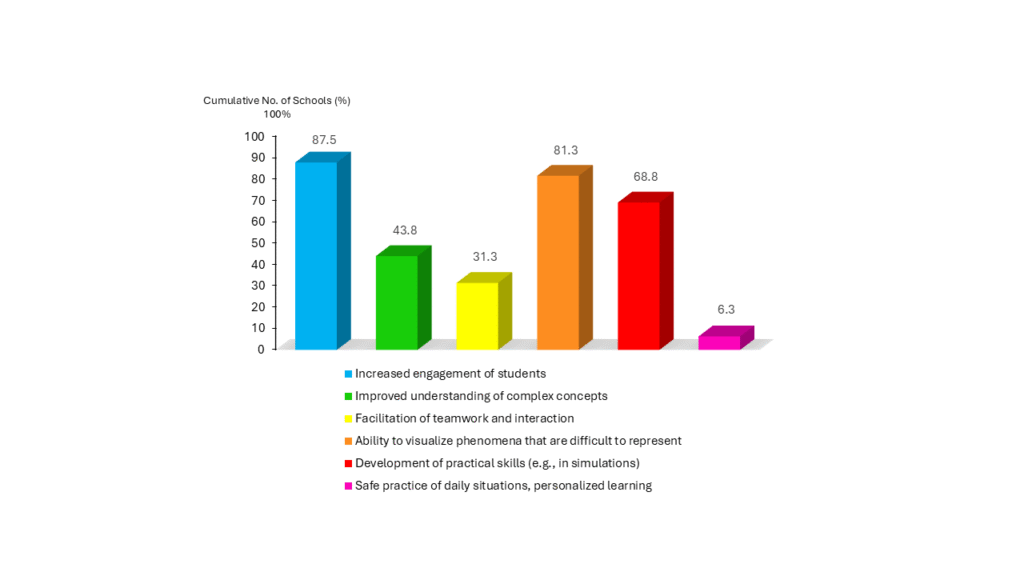
The findings align closely with what is being generally discussed in the whitepaper: the biggest boost schools report is in student engagement. Students are typically thrilled about new tech in lessons, as our earlier chart showed, with most holding a positive view of VR.
But a question lingers: how much of this excitement is just the feeling of something new, destined to fade as VR becomes routine in classrooms? From our experience, when students have weekly VR lessons, the novelty does wear off. That’s actually a plus – it lets us gauge the true effectiveness of these lessons, and they hold up well. The standout benefit, as the study’s second-most noted advantage, is VR’s ability to vividly visualize phenomena that is difficult to represent. This remains the top use case teachers have seen. Engagement stays strong, though it’s not quite as intense as it was at the start.
What are the biggest barriers to using VR in your institution?
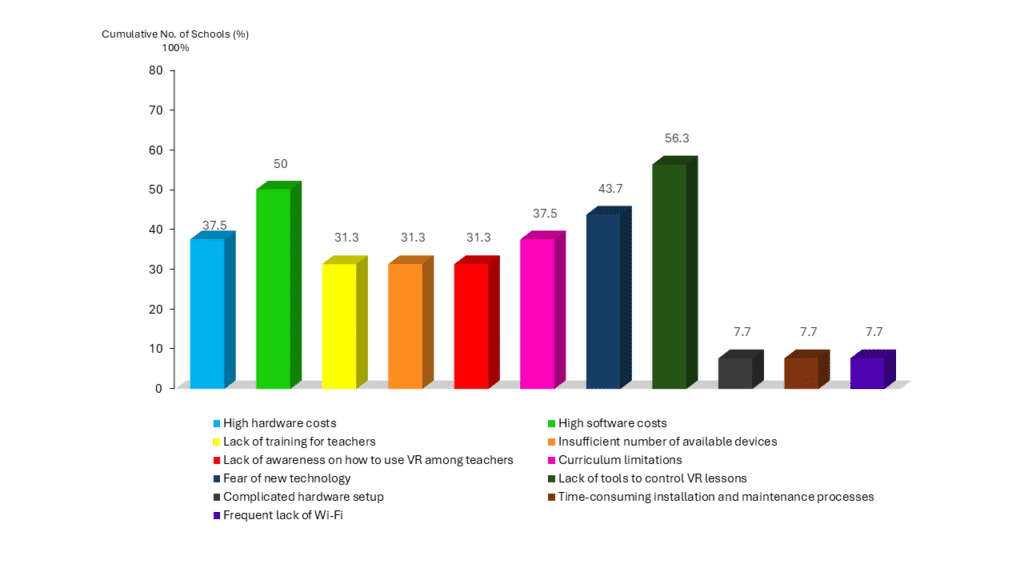
This chart is, likely, the most revealing for teachers & schools thinking about how to improve the implementation of VR in education processes. It lays bare the real problems educational institutions face in adopting VR – a lengthy list, but a few issues rise to the top and deserve a closer look.
The two biggest barriers schools flagged are high software costs and the lack of tools to manage VR lessons. High software costs aren’t just about the initial price tag; they’re compounded by recurring subscription renewals. Grants or EU funding often cover one-time purchases but don’t stretch to ongoing fees every one, two, or three years. Paired with steep software prices, this creates a tough dilemma for schools choosing VR solutions. That could explain why most teachers are using cheap VR consumer applications, not specialized for education or virtual tours.
The future of VR in schools is bright, but the future is now. You can download and read the complete whitepaper, including the full study, for free on our website.